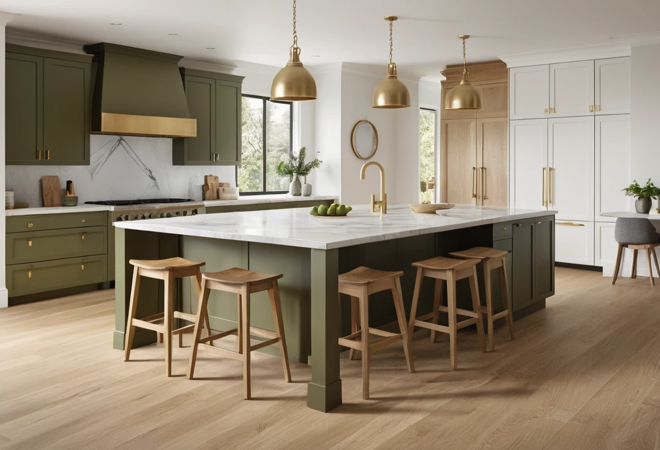
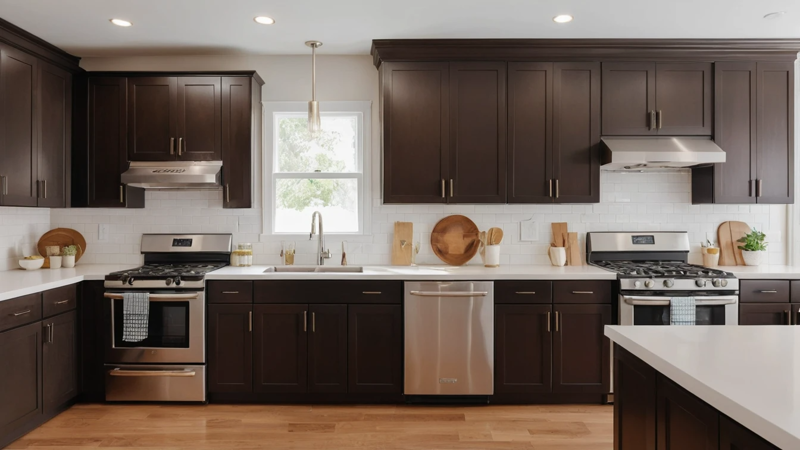
Gel Stain Cabinets Ultimate Guide Easy Beautiful Results
Gel stain cabinets transform old wood into rich, smooth finishes. Learn step-by-step DIY methods, costs, tips, and expert results easily.
Gel stain cabinets are a simple way to refresh old wood without full stripping. The thick stain sits on the surface, creating a smooth, rich finish. It’s popular for DIY kitchen makeovers because it hides imperfections and gives cabinets a modern, updated look.
Gel Stain Cabinets: The Ultimate Guide To A Stunning Kitchen Makeover
Have you ever looked at your kitchen cabinets and thought, “Can I make these look new without replacing them?” 🤔
Yes—you absolutely can. Gel stain cabinets are one of the easiest and most affordable ways to transform outdated wood into something rich, stylish, and modern.
Gel stain cabinets work by adding a thick, color-rich layer over existing wood. Unlike regular stain, it doesn’t soak deeply into the surface. Instead, it sits on top, covering flaws and creating a smooth finish. It’s perfect for homeowners who want a big change without a big renovation bill.
Let’s break it all down in a simple, practical way so you can decide if this DIY upgrade is right for you.
🎨 What Is Gel Stain Cabinets?
Gel stain cabinets refer to wood cabinets refinished using a thick, gel-based stain product. This stain has a pudding-like texture. It is designed to sit on the surface rather than soak in deeply.
This makes it ideal for older or uneven wood. It creates a more controlled and even color application. Many people use it for cabinet refinishing projects in kitchens and bathrooms.
Gel stain is also beginner-friendly. You don’t need advanced woodworking skills to get a good result.
🏠 Why Homeowners Choose Gel Stain Cabinets
Many homeowners choose gel stain cabinets because they want a quick transformation. It is far cheaper than replacing cabinets. It also avoids messy full sanding or stripping.
Another reason is flexibility. You can go darker, lighter, or even modern rustic styles. The finish looks professional when done correctly.
Common reasons include:
- Budget-friendly kitchen updates 💰
- Easy DIY process
- Covers scratches and imperfections
- Works on old wood surfaces
🪵 How Gel Stain Works On Wood
Gel stain works differently than traditional stain. Instead of soaking into the grain, it coats the surface evenly.
This creates a uniform color layer. It’s especially helpful for uneven or older wood cabinets. It reduces blotchy results that are common with regular stain.
The thick texture gives you more control. You can wipe, blend, or layer as needed.
⚖️ Gel Stain Vs Regular Stain
Here’s a simple comparison so you understand the difference clearly.
| Feature | Gel Stain | Regular Stain |
| Application | Sits on surface | Soaks into wood |
| Ease of Use | Beginner-friendly | Needs skill |
| Finish | Even & smooth | Natural grain look |
| Best For | Cabinets, doors | Raw wood projects |
Gel stain is more forgiving. Regular stain requires more prep and experience.
🌳 Best Wood Types For Gel Stain Cabinets
Not all cabinets react the same way. Some woods perform better with gel stain.
Best options include:
- Oak
- Maple
- Cherry
- Birch
- Previously painted wood (with prep)
These surfaces hold gel stain well and deliver a consistent finish. Softwoods can work too but may need extra preparation.
🧰 Tools And Materials You Need
Before starting your project, gather everything first. Preparation makes a huge difference.
Essential tools include:
- Foam brushes or lint-free cloths
- Degreaser cleaner
- Sandpaper (120–220 grit)
- Gel stain (oil-based or water-based)
- Protective gloves
- Clear topcoat (polyurethane)
Being prepared helps avoid mistakes and uneven finishes.
🛠️ Step By Step Preparation Process
Preparation is the most important step in gel staining kitchen cabinets. Skipping it leads to poor results.
Follow these steps:
- Remove cabinet doors and hardware
- Clean surfaces with degreaser
- Lightly sand to remove shine
- Wipe dust completely
- Test stain on a hidden area
This step ensures proper adhesion and smooth finishing later.
🎯 How To Apply Gel Stain Properly
Application is where the transformation happens. Take your time and work in sections.
Apply gel stain using a cloth or brush. Spread it evenly across the surface. Then wipe off excess gently.
Tips for best results:
- Work in thin layers
- Always follow wood grain
- Avoid heavy buildup
- Let each coat dry fully
Two coats are usually enough for rich color.
🚫 Common Mistakes To Avoid
Many DIY projects go wrong due to simple mistakes. Avoiding them saves time and frustration.
Common issues include:
- Skipping cleaning steps
- Applying too much stain
- Not sanding properly
- Rushing drying time
A slow, steady approach always works better. Patience leads to a smoother finish 😊
⏳ Drying And Curing Time Explained
Gel stain cabinets need proper drying time to harden and set.
Usually:
- Dry to touch: 6–8 hours
- Recoat time: 24 hours
- Full cure: 3–5 days
Humidity can affect drying speed. Always allow full curing before heavy use.
🎨 Color Options And Design Ideas
Gel stain offers many beautiful design options for kitchen makeovers.
Popular choices include:
- Dark walnut for modern kitchens
- Espresso for luxury feel
- Gray tones for farmhouse style
- Natural oak for classic look
You can also mix tones for a custom finish.
💰 Cost Breakdown Of Gel Stain Cabinets
Here’s a simple cost breakdown so you can plan your project.
| Item | Estimated Cost (USD) |
| Gel Stain | $20 – $50 |
| Sandpaper | $5 – $10 |
| Brushes & Cloths | $10 – $25 |
| Sealant | $15 – $40 |
| Total DIY Cost | $50 – $125 |
This makes it one of the cheapest kitchen upgrades available.
👍 Pros And Cons Of Gel Stain Cabinets
| Pros | Cons |
| Budget-friendly | Takes time to dry |
| Easy DIY process | Needs careful prep |
| Hides imperfections | Multiple coats may be needed |
| Wide color range | Not ideal for all surfaces |
Gel stain cabinets are great for visual upgrades but require patience.
🧼 Maintenance And Cleaning Tips
Once your cabinets are finished, keeping them clean is simple.
Use mild soap and a soft cloth. Avoid harsh chemicals. They can damage the finish.
Helpful habits:
- Wipe spills immediately
- Use soft microfiber cloths
- Avoid abrasive scrubbers
- Reapply sealant every few years
Proper care keeps cabinets looking fresh longer.
🔧 Troubleshooting Problems
Sometimes things don’t go as planned. That’s normal in DIY projects.
Common fixes:
- Uneven color → Add another light coat
- Sticky surface → Let it cure longer
- Streaks → Sand lightly and reapply
- Too dark finish → Buff with mineral spirits
Small adjustments can save the entire project.
💡 Final Tips For Best Results
To get professional-looking gel stain cabinets, slow down and focus on detail.
Remember:
- Prep is everything
- Thin layers work best
- Always test first
- Don’t rush drying time
With patience, your cabinets can look like a high-end remodel without the high cost.
🧾 Conclusion
Gel stain cabinets are one of the smartest DIY upgrades for homeowners. They are affordable, beginner-friendly, and visually powerful. With proper prep, careful application, and patience, you can turn outdated cabinets into a stylish kitchen centerpiece. It’s a simple project with big results when done right.
❓ FAQs
How long do gel stain cabinets last?
They can last many years with proper sealing. Regular cleaning helps extend their life. Avoid harsh chemicals for best durability.
Can gel stain cover old paint?
Yes, but surface prep is required. Light sanding helps the stain stick better. A primer may improve results.
Do gel stain cabinets need sanding?
Yes, light sanding is recommended. It removes gloss and helps adhesion. Heavy sanding is not needed.
Can I change gel stain color later?
Yes, but it requires re-sanding or stripping. Darker colors are easier to switch than lighter ones.
Is gel stain good for kitchen cabinets?
Yes, it is very popular for kitchens. It gives a smooth, modern finish. It’s also cost-effective for upgrades.