Patching Concrete Floor Guide – Easy & Reliable Fix
Patching concrete floor made simple. Learn easy steps, tools, and tips to repair cracks and holes quickly and effectively.
Patching concrete floor involves cleaning the damaged area, applying a bonding agent, filling cracks or holes with patch material, and smoothing the surface. It restores strength, improves appearance, and prevents further damage when done correctly using proper tools and techniques.
Patching Concrete Floor: A Complete Beginner-Friendly Guide
Ever noticed cracks or holes in your concrete floor and wondered if you can fix them yourself? 🤔
The good news is—you absolutely can. Patching a concrete floor is not as hard as it sounds. With the right steps and tools, you can repair damage and make your floor look almost new again.
Let’s break it down in a simple, practical way.
🏠 What Is Patching Concrete Floor?
Patching a concrete floor means repairing damaged areas like cracks, holes, or uneven surfaces. It helps restore strength and improves the overall look.
Concrete floors wear out over time. Heavy loads, moisture, and temperature changes cause cracks. If ignored, these small issues can turn into bigger problems.
That’s why patching is important. It prevents further damage and extends the life of your floor.
🔍 Why Concrete Floors Get Damaged
Concrete is strong, but it’s not unbreakable. Many factors can damage it over time.
Here are common reasons:
- Heavy weight loads
- Moisture seepage
- Temperature changes
- Poor installation
- Aging and wear
Even small cracks can spread quickly. Fixing them early saves time and money.
⚠️ Signs Your Floor Needs Patching
Not sure if your floor needs repair? Look for these signs:
- Visible cracks or holes
- Uneven or rough surface
- Water pooling in spots
- Loose or crumbling concrete
If you notice any of these, it’s time to act.
🛠️ Tools And Materials You’ll Need
Before starting, gather all the tools. This makes the job easier and faster.
Basic tools:
- Wire brush
- Chisel and hammer
- Trowel
- Putty knife
- Bucket
Materials:
- Concrete patch mix
- Bonding agent
- Water
- Protective gloves
🧾 Quick Tools Overview
| Tool | Purpose | Importance |
| Wire Brush | Clean surface | Essential |
| Trowel | Apply patch | Must-have |
| Chisel | Remove loose concrete | Important |
| Bucket | Mix materials | Required |
🧼 Preparing The Surface Properly
Preparation is the most important step. A clean surface ensures strong bonding.
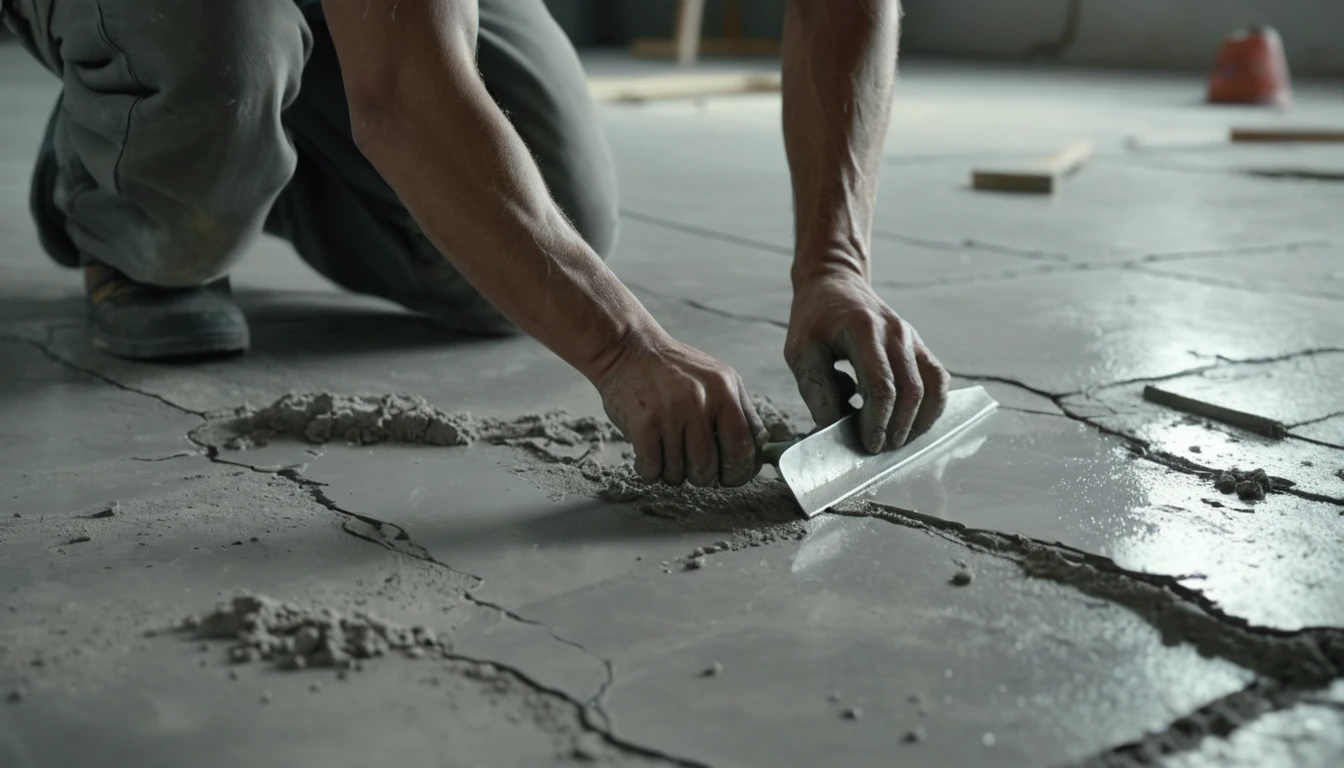
Start by removing dirt, dust, and debris. Use a wire brush to scrub the area. Break loose concrete with a chisel.
Wash the area with water. Let it dry slightly before applying patch material.
Skipping this step can lead to weak repairs.
🧪 Choosing The Right Patch Material
Not all patch materials are the same. Choosing the right one matters.
There are three common types:
- Pre-mixed patch compounds
- Cement-based mixes
- Epoxy fillers
For small cracks, pre-mixed works fine. For larger damage, go with cement or epoxy.
📊 Patch Material Comparison
| Type | Best For | Drying Time |
| Pre-mixed | Small cracks | Fast |
| Cement mix | Medium repairs | Moderate |
| Epoxy | Deep damage | Slow but strong |
💧 Applying A Bonding Agent
A bonding agent helps the new material stick better.
Apply it with a brush before adding the patch mix. It creates a strong connection between old and new concrete.
This step improves durability and prevents future cracks.
🧱 Filling Cracks And Holes
Now comes the main step—filling the damaged area.
Mix the patch material according to instructions. Apply it using a trowel. Press firmly to fill all gaps.
Make sure there are no air pockets inside.
✋ Smoothing The Surface
After filling, smooth the surface evenly.
Use a trowel to level the patch with the surrounding area. Work quickly before the material starts to set.
A smooth finish improves both strength and appearance.
⏳ Drying And Curing Time
Drying is not the same as curing.
Drying happens fast, but curing takes time. Let the patch cure for at least 24–48 hours.
Avoid walking on it during this period.
🚫 Common Mistakes To Avoid
Many people make simple mistakes while patching.
Avoid these:
- Skipping surface cleaning
- Using too much water
- Not applying bonding agent
- Rushing the drying process
These errors can weaken your repair.
🧠 Pro Tips For Better Results
Want a professional finish? Follow these tips:
- Work in small sections
- Use fresh materials
- Keep tools clean
- Follow instructions carefully
✨ Small details make a big difference.
💰 Cost Of Patching Concrete Floor
The cost depends on the damage size and materials used.
DIY repairs are affordable. Professional services cost more but save time.
💵 Cost Breakdown
| Repair Type | DIY Cost | Professional Cost |
| Small cracks | Low | Moderate |
| Medium damage | Medium | Higher |
| Large repairs | High | Expensive |
🧑🔧 DIY Vs Professional Repair
Should you do it yourself or hire a pro?
DIY is best when:
- Damage is small
- You have basic tools
- You want to save money
Hire a pro when:
- Damage is large
- Structural issues exist
- You want perfect results
🌦️ Best Time To Patch Concrete
Weather affects concrete repair.
Avoid extreme heat or cold. Moderate temperature is best.
Ideal conditions:
- Dry weather
- Mild temperature
- Low humidity
This ensures proper curing.
🧩 Types Of Concrete Damage You Can Fix
Not all damage is the same.
You can fix:
- Hairline cracks
- Surface chips
- Small holes
- Minor uneven areas
Large structural cracks need expert help.
🔄 How Long Does A Patch Last?
A good patch can last many years.
It depends on:
- Material quality
- Surface preparation
- Weather conditions
Proper maintenance extends its life.
🧽 Maintenance After Repair
Once repaired, keep your floor in good shape.
Simple steps:
- Clean regularly
- Avoid heavy impacts
- Seal the surface if needed
Maintenance prevents future damage.
🔐 When To Seal The Concrete Floor
Sealing protects your repair.
Apply a concrete sealer after curing. It prevents moisture and stains.
This step adds extra durability.
📌 Conclusion
Patching a concrete floor is a simple yet powerful way to restore your space. It improves strength, appearance, and lifespan. With proper preparation, the right materials, and patience, you can achieve professional results even as a beginner.
Start small, follow the steps, and your concrete floor will look solid again 💪.
❓ FAQs
How To Patch Concrete Floor Cracks Easily?
Clean the crack and remove loose debris first. Apply a bonding agent for better adhesion. Fill with patch material and smooth it evenly.
Can I Patch Concrete Floor Myself At Home?
Yes, small repairs are easy to handle yourself. You only need basic tools and materials. Follow proper steps for best results.
What Is The Best Material For Concrete Floor Patching?
Cement-based mixes work well for most repairs. Epoxy is best for deep cracks. Pre-mixed options are great for small fixes.
How Long Does Concrete Patch Take To Dry?
It dries in a few hours but needs 24–48 hours to cure. Avoid using the area during this time. Full strength develops after curing.
Is Patching Concrete Floor A Permanent Fix?
It can last many years if done correctly. Proper preparation and materials matter most. Regular maintenance helps extend its life.