Patio Light Pole Smart Guide For Beautiful Outdoor Nights
Patio light pole solutions explained simply. Learn types, uses, installation tips, and buying advice to light your outdoor space beautifully.
A patio light pole is a sturdy vertical post designed to support outdoor lights like string lights or lanterns. It creates warm, even lighting without walls or trees. These poles improve ambiance, safety, and style in patios, decks, gardens, and backyard seating areas.
Ever looked at your patio at night and thought, why does this space feel unfinished? 🤔
A patio light pole is the easiest way to transform a dark outdoor area into a cozy, welcoming hangout. It gives your lights height, balance, and structure. And yes, it works even if you have no walls, fences, or trees.
A patio light pole supports outdoor lighting in open spaces. It’s made to hold string lights, bulbs, or lanterns securely. The result is soft, even lighting that feels intentional, not random. Think café vibes at home ☕✨.
Patio Light Pole: What It Is And Why It Matters 💡
A patio light pole is a vertical post built to hold outdoor lights. Most are made from metal, wood, or fiberglass. They are weather-resistant and designed for long-term outdoor use. You’ll often see them paired with string lights or globe bulbs.
These poles matter because they solve a big problem. Many patios lack mounting points. A patio light pole creates structure where none exists. It turns empty air into a design feature 🌙.
How Patio Light Poles Improve Outdoor Ambiance ✨
Lighting changes how a space feels. A patio light pole lifts lights overhead, creating a soft glow. This makes your patio feel warmer and more inviting. Guests naturally gather under good light.
The height of the pole spreads light evenly. You avoid harsh shadows and dark corners. It also adds visual depth to your yard. Suddenly, your patio feels like an outdoor room 🪑.
Different Types Of Patio Light Poles Explained 🔧
There are several patio light pole styles available today. Freestanding poles are the most common. They work well for renters and temporary setups. In-ground poles offer maximum stability.
Wall-mounted hybrid poles exist too. These combine partial wall support with vertical reach. Choosing the right type depends on your space and goals. Each type serves a different outdoor layout.
Materials Used In Patio Light Poles 🧱
Most patio light poles are made from steel or aluminum. These metals resist rust and handle wind well. Aluminum is lighter, while steel feels more solid. Both work great outdoors.
Wooden poles offer a natural look. They blend nicely with gardens and decks. Fiberglass poles are modern and flexible. Each material has its own vibe and durability level.
| Material | Look & Feel | Durability | Best For |
| Steel | Industrial, strong | Very high | Windy areas |
| Aluminum | Sleek, modern | High | Easy installs |
| Wood | Warm, natural | Medium | Rustic patios |
| Fiberglass | Clean, flexible | High | Modern yards |
Ideal Height For A Patio Light Pole 📏
Most patio light poles range from 8 to 10 feet tall. This height allows lights to hang overhead comfortably. It keeps bulbs out of eye level. The space feels open, not crowded.
Shorter poles work for small patios. Taller poles are better for large yards. The goal is balance. You want light spread without overpowering the area.
Patio Light Poles For String Lights 🎇
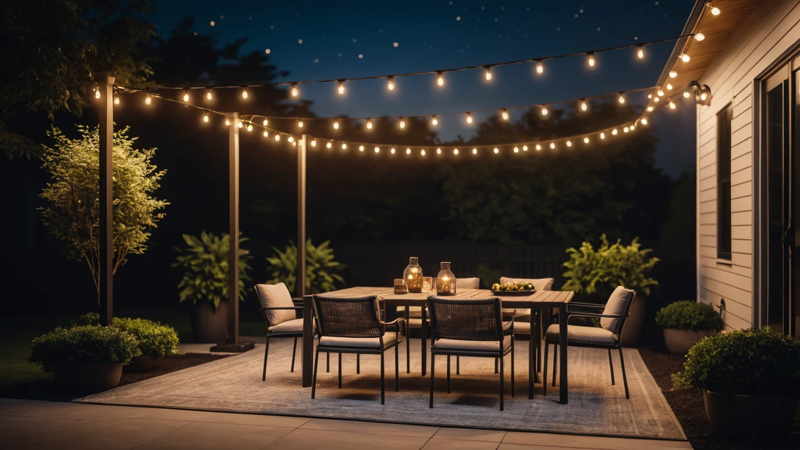
String lights are the most popular pairing. Patio light poles hold the tension of the wire. They prevent sagging and uneven lines. The result looks clean and intentional.
You can run lights pole to pole. Or connect poles to a fence or house. This flexibility makes design easy. Even beginners get professional-looking results ⭐.
Installing A Patio Light Pole The Right Way 🛠️
Installation depends on the pole type. Freestanding poles often use weighted bases. In-ground poles require digging and concrete. Always check soil and drainage first.
Spacing matters during setup. Poles should be evenly placed for tension. Measure twice before fixing anything. A little planning saves frustration later.
Freestanding Vs In-Ground Patio Light Poles ⚖️
Freestanding patio light poles are easy to move. They’re perfect for renters or seasonal setups. You can reposition them anytime. No digging required.
In-ground poles are more permanent. They handle heavy lights and strong wind better. These are ideal for long-term patios. Choose based on commitment level.
| Feature | Freestanding | In-Ground |
| Installation | Easy | Moderate |
| Stability | Medium | High |
| Mobility | High | Low |
| Best Use | Temporary setups | Permanent patios |
Weather Resistance And Durability 🌦️
Outdoor poles must handle rain, sun, and wind. Powder-coated finishes prevent rust. UV-resistant materials stop fading. This keeps poles looking new longer.
Always check weather ratings. A good patio light pole lasts years. Cheap materials fail fast. Durability saves money over time 💰.
Patio Light Pole Placement Tips 📍
Place poles at patio corners for symmetry. This frames the space nicely. Central poles work for large areas. Avoid placing poles in walking paths.
Think about light flow. Overlapping light looks best. Test placement before final installation. Small adjustments make a big difference.
Patio Light Poles For Small Spaces 🏡
Small patios need smart lighting. Slim patio light poles work best here. They take up little floor space. Vertical height adds depth visually.
Use fewer poles with brighter bulbs. Keep designs simple. This avoids clutter. Even tiny patios can feel magical ✨.
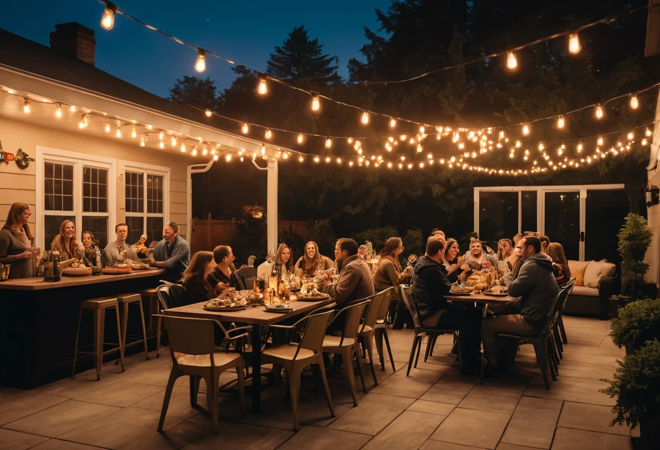
Using Patio Light Poles For Events 🎉
Patio light poles are perfect for parties. Birthdays, weddings, and BBQs shine brighter. You can set them up quickly. Then take them down after.
They create instant atmosphere. Photos look better too 📸. Guests remember well-lit spaces. Lighting sets the mood every time.
Design Styles That Match Patio Light Poles 🎨
Modern patios pair well with black metal poles. Rustic spaces love wood finishes. Coastal designs work with white or silver poles. Style matters more than you think.
Matching poles to furniture helps. Consistent design feels intentional. Random styles feel messy. Keep it cohesive.
| Patio Style | Pole Style | Finish |
| Modern | Slim metal | Matte black |
| Rustic | Wood | Natural stain |
| Coastal | Aluminum | White |
| Industrial | Steel | Dark gray |
Safety Tips When Using Patio Light Poles 🚨
Stability is key for safety. Always secure bases properly. Avoid overloading with heavy lights. Check poles after storms.
Use outdoor-rated cords only. Keep wires off the ground. This prevents tripping and damage. Safety keeps fun stress-free 👍.
How To Choose The Best Patio Light Pole 🛒
Start with your space size. Then choose material and height. Think about permanent or temporary use. Budget matters too.
Read product specs carefully. Look for weather resistance. A good patio light pole balances style and strength. Smart choices last longer.
Common Patio Light Pole Mistakes To Avoid ❌
Many people choose poles that are too short. This causes glare. Others skip proper anchoring. That leads to wobbling.
Avoid cheap finishes. They rust quickly. Also, don’t overcrowd poles. Less is often more in lighting design.
Conclusion 🌙
A patio light pole is more than just a post. It’s a simple tool that transforms outdoor spaces. It adds warmth, style, and function instantly. With the right pole, any patio feels complete. Choose wisely, install carefully, and enjoy brighter nights.
FAQs
What Is The Best Height For A Patio Light Pole?
Most patios work best with poles between 8 and 10 feet tall. This keeps lights above eye level. It creates even, comfortable lighting.
Can Patio Light Poles Hold Heavy String Lights?
Yes, if they are made from strong materials like steel or aluminum. Always check weight limits. Proper anchoring is essential.
Do Patio Light Poles Work Without Concrete?
Freestanding poles do not need concrete. They use weighted bases instead. In-ground poles usually require concrete for stability.
Are Patio Light Poles Safe In Windy Areas?
Yes, when installed correctly. In-ground poles perform best in wind. Freestanding poles need heavy bases.
How Many Patio Light Poles Do I Need?
Most patios need 4 to 6 poles. The exact number depends on size and layout. Spacing evenly gives the best look.